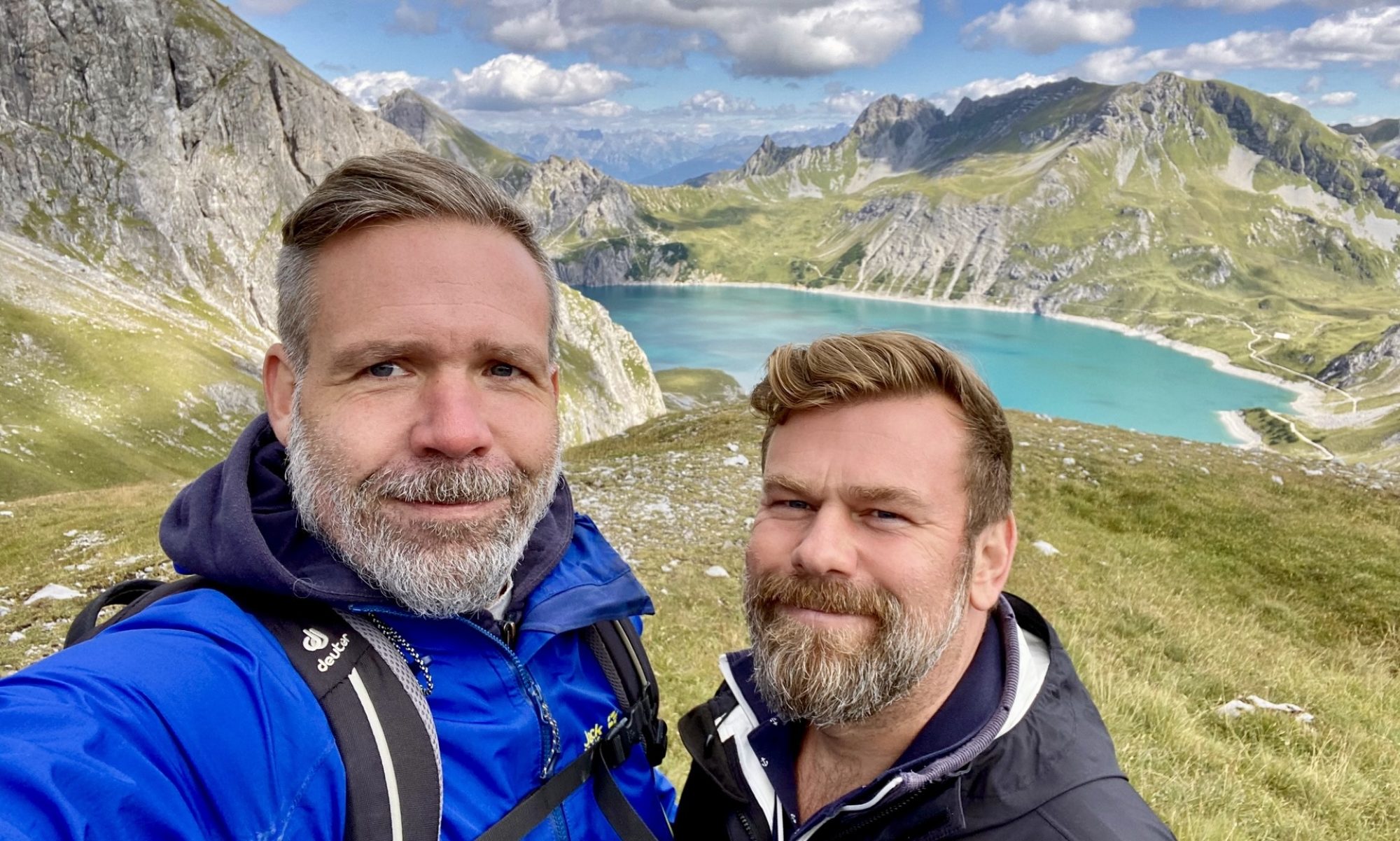
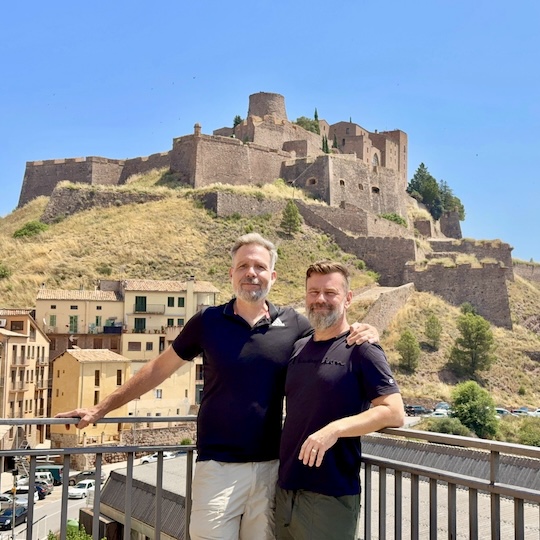
This July, Michael and I went on a rather spontaneous trip to escape Barcelona for a night. As we have started loving a very special Spanish hotel chain called “Paradores” I checked for one of their locations not too far away from the city. The “Paradores” are a collection of historic hotels, often housed in castles, palaces, monasteries, and other culturally significant buildings, created to promote tourism and safeguard Spain’s cultural heritage. Actually it is a state owned company. My choice was the Castle of Cardona – just 85 km from Barcelona – where you would even sleep in the castle on top of a promontory. We rented a car and off we went the next day!
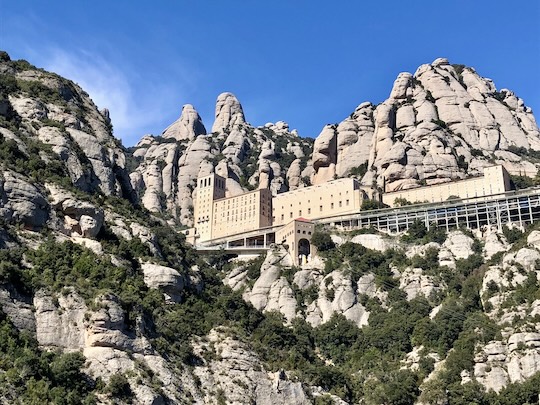
The ride was very pleasant. Driving through the Catalan countryside is always a joy. We drove along the mountain monastery of Montserrat. This iconic mountain is very dear to us and every time we see it, pass by or hike on the mountain we are in awe. It is located at 800m in the mountains and was built there 1000 years ago.
After 1:45 hours of curvy and hilly motorway and overland roads we finally arrived at our destination and immediately checked into the hotel: Parador de Cardona.
The Castle of Cardona
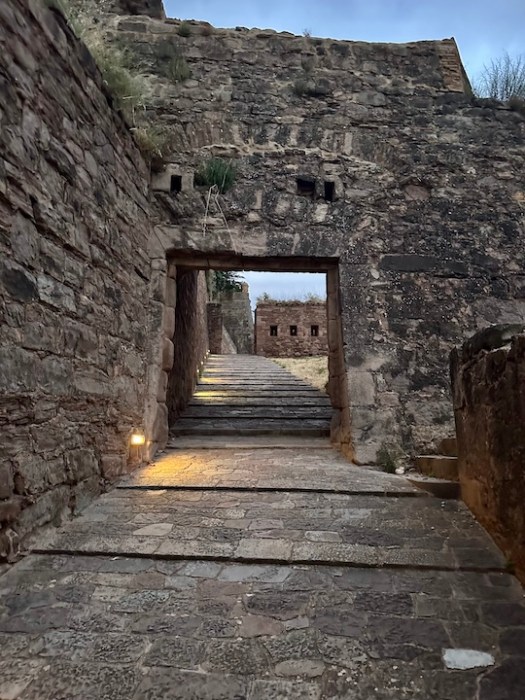
The first version of the castle was build in 886 in order to fortify the border between the Catholic Catalan Counties and the Muslim Moorish Dominions. Over time it was granted to the noble family of Cardona together with the exclusive rights to exploit the local salt mine. This way they became the richest family within the Kingdom of Aragón. Just second to the royal family themselves. After the defeat of the Moors the castle lost its strategic importance. The family preferred to stay in their palace in Barcelona close to the royal family. It got heavily damaged during the War of the Spanish Succession (1701-14) and suffered as well during the Spanish civil war (1936-39). First restoration works started in the late 1950s.
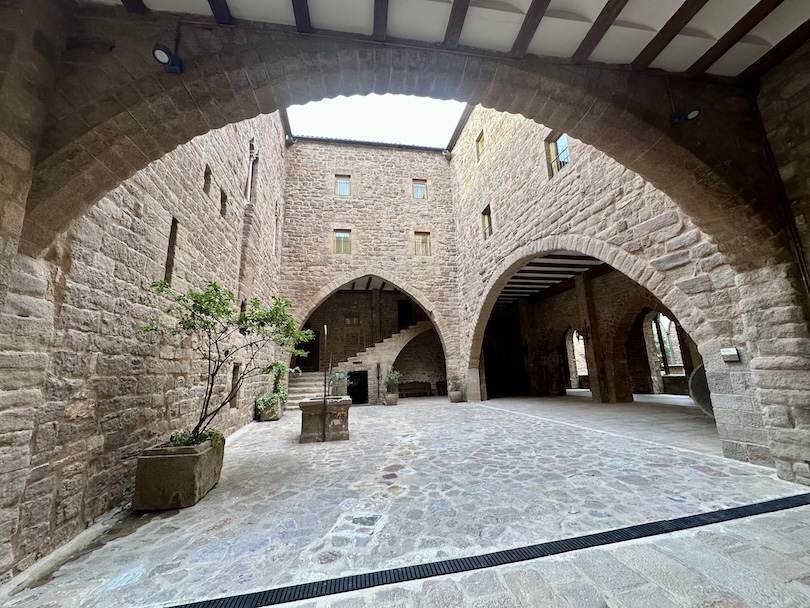

In 1976 the castle was taken over by the Parador Hotels and intensively restored. As their website states: “The transformation struck a balance: preserving medieval architectural features (moats, towers, Gothic walls) while adapting interiors for modern hospitality — including comfortable guest rooms, a rooftop restaurant in the old refectory, and period-inspired décor.” We spent a lovely night at the hotel feeling like being of noble descent.
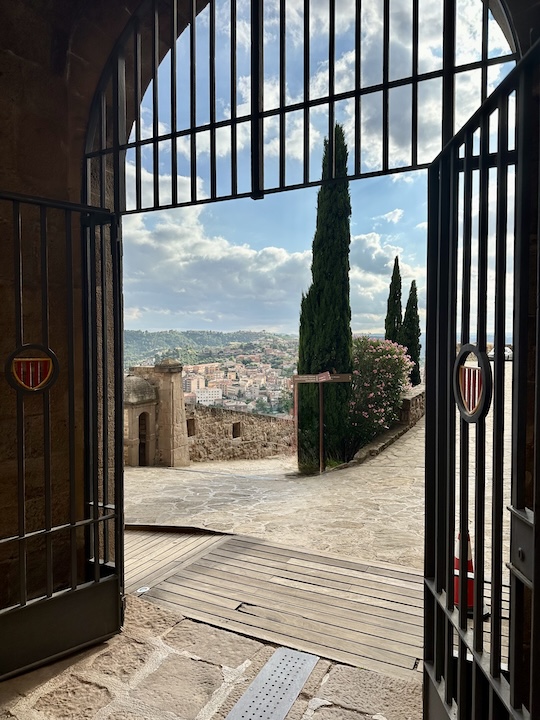
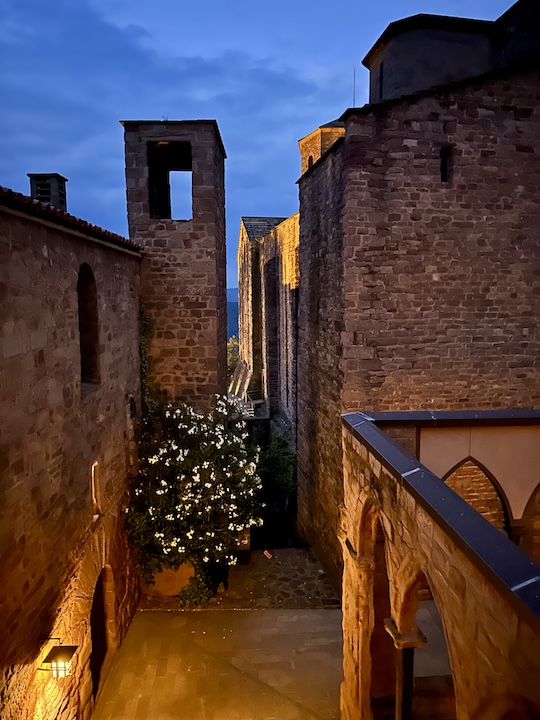
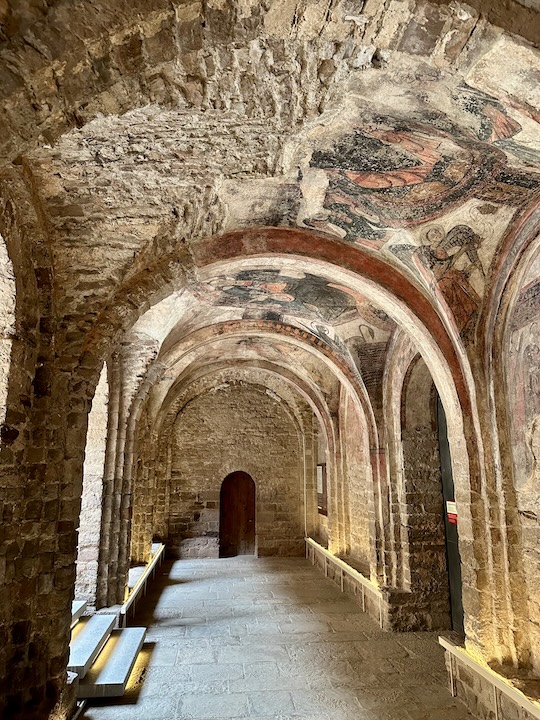
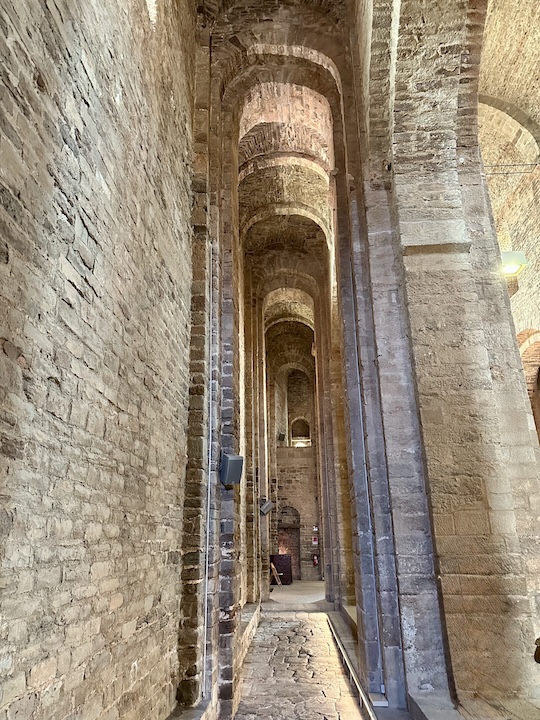
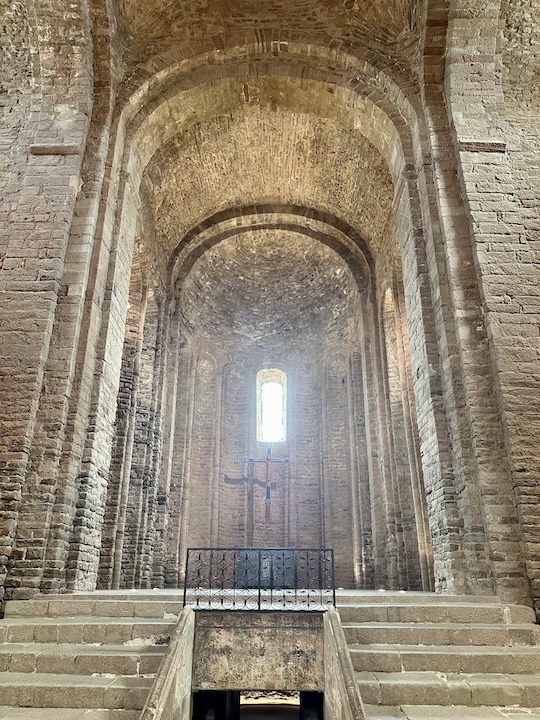
We booked a guided tour around the castle grounds and also inside of the impressive Romanesque church – a very well preserved church that was completed in 1040. This is absolutely recommendable when in Cardona.
The village of Cardona
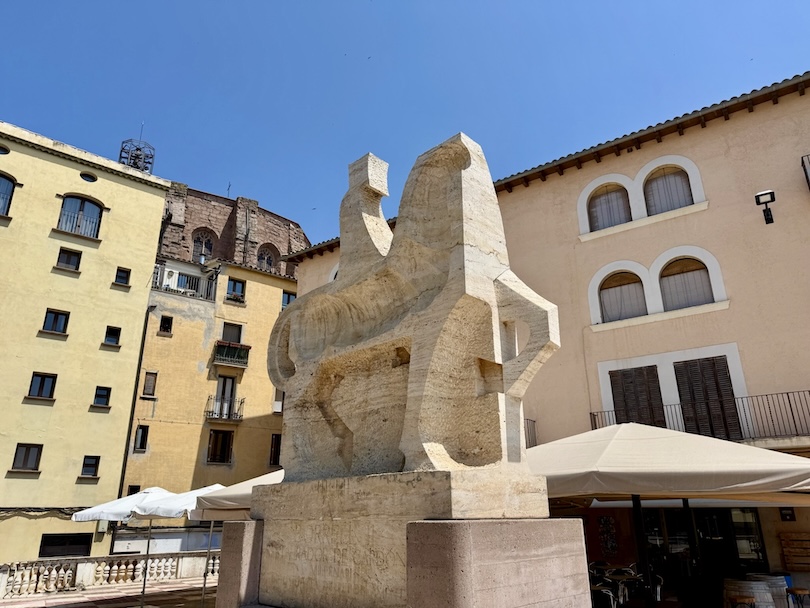
The village of Cardona with 4,000 inhabitants is very pleasant. Its historic core is very old. A stroll through the narrow back alleys is very enjoyable. You will find a lot of small local shops.
We enjoyed a lazy afternoon and evening on the local plaza – Plaça de la Fira – and had a great lunch menu at “El Centru“. We opted for the local restaurant but it is also possible to eat at the castle restaurant. Our previous experiences with eating at the Paradores was always good.

The salt mine of Cardona
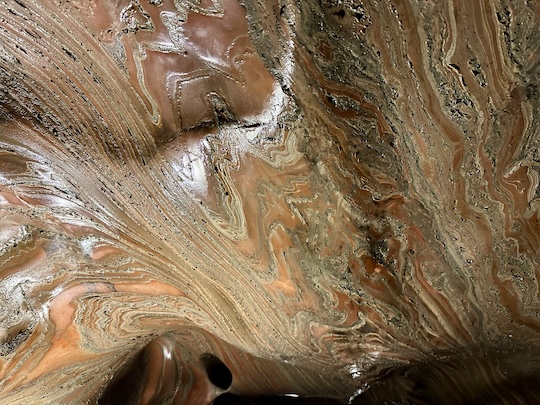
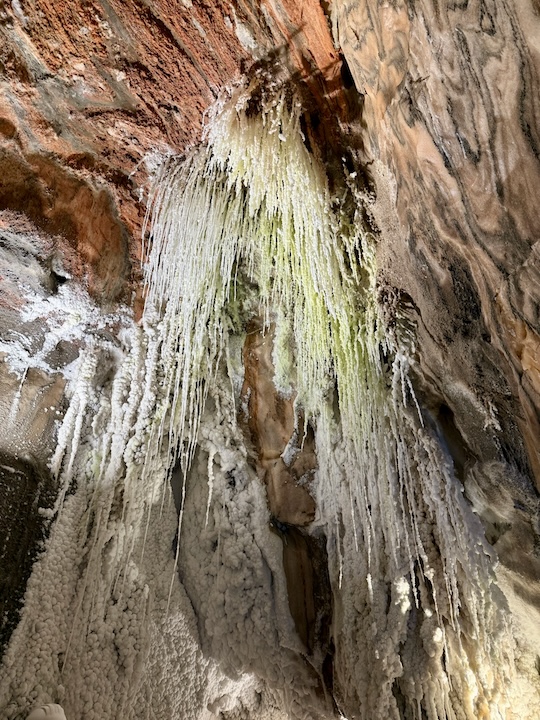
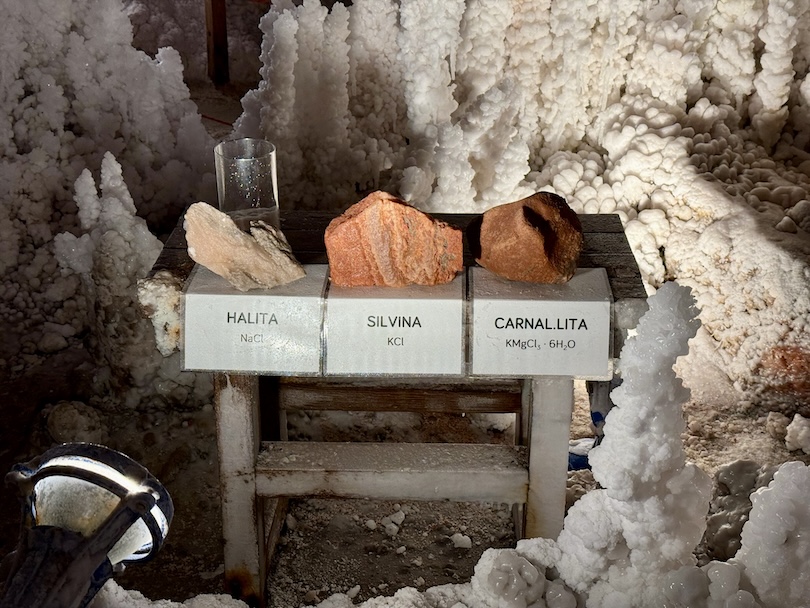
Forever in history the local salt mine has been an important factor for the region. In pre-historic times men already collected salt from the salt veins that were easily accessible in the open air. The Romans started to exploit the salt mine in a more enterprising way and in medieval times salt had become the white gold as it was of strategic importance to conserve food. When the Cardona family owned this mine they became one of the richest families in the kingdom. Only when the salt prices dropped tremendously the family lost interest and sold the mine to the “Unión Española de Explosivos” in the 1920s – a company producing explosives and scouting for certain salts that were required for the industrial production of explosive material.
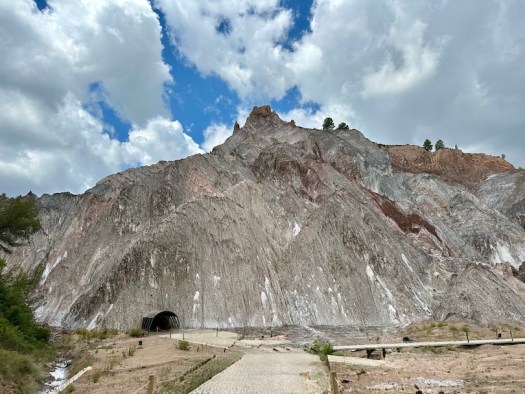
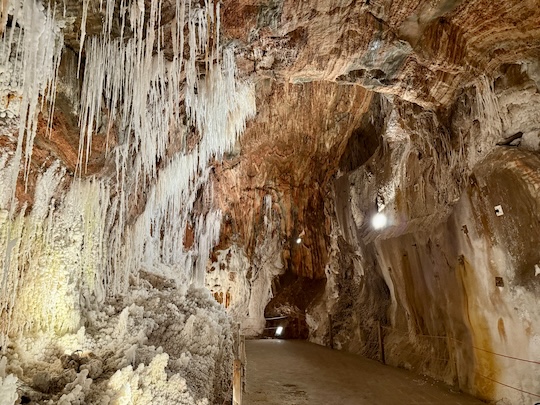
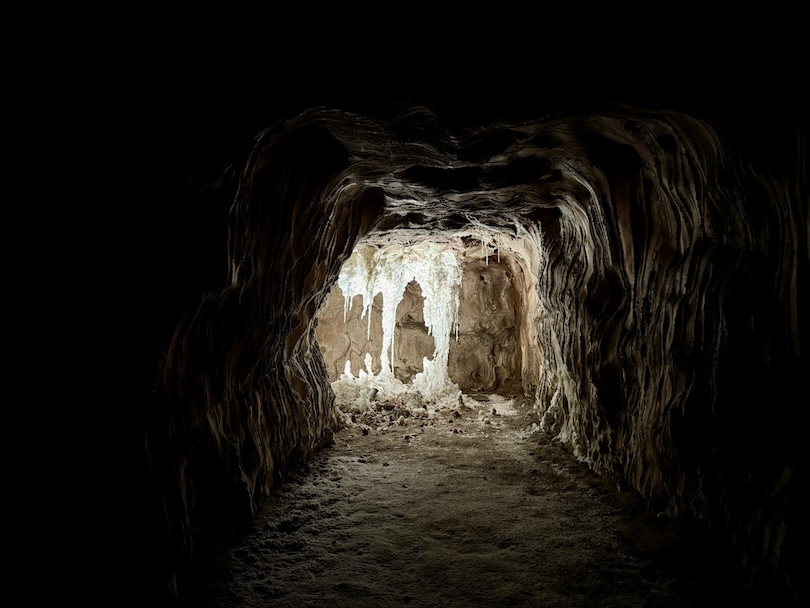
In 1990 the salt mine closed and has been serving as a tourist attraction since 2003. We booked a guided tour thought the mine which was really fascinating. You need about one hour for the visit.
How to get to Cardona from Barcelona?
- By bus
The bus route from Barcelona to Cardona is operated by ALSA, with departures from the Estació de Nord (Barcelona Nord bus station). This service provides a convenient and direct connection to the historic town of Cardona.
Frequency and Schedule:
Buses typically run 2 to 4 times per day, depending on the day of the week and season.
Journey Duration:
The travel time is around 1 hour and 45 minutes to 2 hours, covering a road distance of roughly 90 kilometers. Actual duration can vary slightly depending on traffic conditions.
Ticket Cost:
One-way tickets generally cost between €8 and €12, with the price depending on the ticket type and how it is purchased.
Additional Notes:
The bus arrives directly in Cardona town center, making it a convenient option for visitors.
In the ALSA timetables, the route is typically listed as heading toward Andorra via Súria, so be sure to look for that destination when checking schedules or purchasing tickets.
- By rental car
Driving a rental car in Spain is easy. The motorways are never too busy except maybe close to the large cities. There is a speed limit of 120 km/h thus no excessive speeding is allowed. In Barcelona you will find many locations from major rental car companies such as Hertz, Sixt or Europcar. It is advisable to use a GPS system either renting it with the car or using your mobile phone with Google Maps or Apple Maps. Travel time is approximately 1:45h depending on Barcelona traffic. Having a car provides flexibility and depending on how much time you have available you can even discover the nearby countryside around Cardona.
Eating and drinking in Cardona
- We loved the breakfast buffet for 20 Euro pp. in the castle. It is served in the old refectory, a gallery of pointed arches.
- Another highlight was the 3-courses lunch menu for approx. 18 Euro pp. at El Centru at Plaça de la Fira.
- There is also the option to have dinner at the castle restaurant.
Travel tip for your Barcelona castle escape
- The bus drops you close enough to walk directly to the hotel. But be aware it is the old rampart path that you need to climb up. Thus a trolley or heavy luggage would be inconvenient.
- If you prefer not to stay over night you can take the morning bus at 6:30 AM and return on the 5:15 PM bus. This way you will have an entire day to explore the salt mines, the castle, and the historic town before heading back.
- Book the guided tour around the castle premises. It is worth it! (8 Euro pp.)
Discover more from Wild Paths Together
Subscribe to get the latest posts sent to your email.
