
In 2008 we visited Lebanon for the first time. It was an incredible trip and the first time for us to the Middle East. As I love ancient sites it was no wonder that I was completely taken when we did an excursion to Baalbek. Until then I had never seen a Roman temple complex in such a well preserved state before. Of course after our trips to Rome and Athens several years later we saw many more fascinating ancient sites.
Baalbek is located in the Beqaa Valley somewhere between Beirut and Damascus in Syria (the latter we visited in 2009 on our second trip to the Middle East – but that is another story). The area of the valley has continuously been inhabited for more than 8000 years and under rule of several ancient empires.
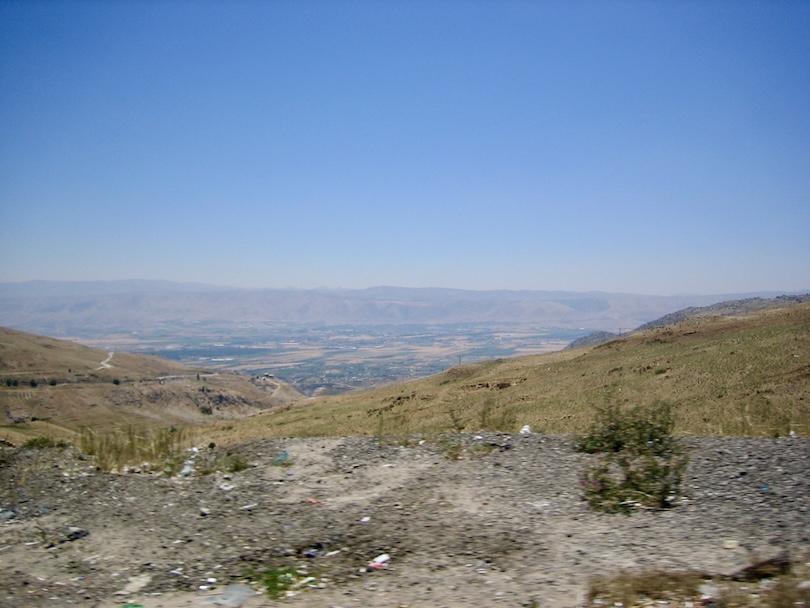
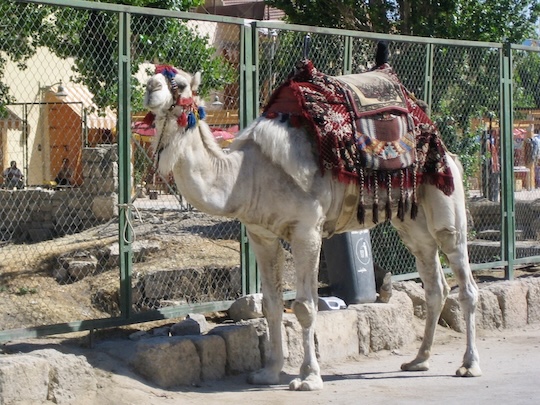
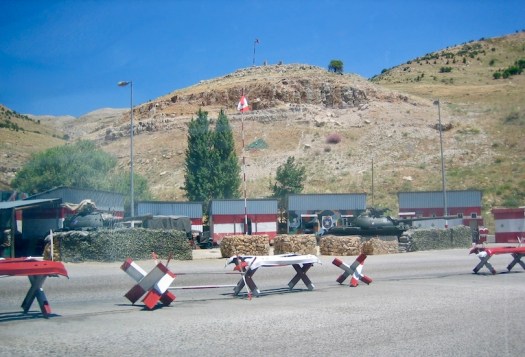
Our friends Karim and Hani took us to Baalbek on a road trip from Beirut. So we got our first impressions of Lebanon outside of the capital: from military posts and camels to panoramic views. The drive took us about two hours (100 km).

Short history of Baalbek
Baalbek is one of the most significant archaeological and religious sites of the ancient world. Its history traces back thousands of years and it is full of layers of mythology, empires and architectural mastery.
Baalbek’s origins date back to at least the Bronze Age, when it served as a major center for worshipping Baal, a Semitic storm and fertility god. Its name, meaning “Lord of the Beqaa,” reflects his role in local agriculture.
During the Hellenistic period, following the conquests of Alexander the Great, the city came under Greek influence. The site was renamed Heliopolis, meaning “City of the Sun” and the location retained its religious significance. Baalbek’s strategic position along trade and military routes further enhanced its prosperity and cultural exchange.
Baalbek reached its peak under the Roman Empire, starting in the late 1st century BCE, when it became home to one of Rome’s grandest temple complexes. The Romans built an enormous acropolis with temples to Jupiter, Bacchus, and Venus. The Temple of Jupiter, once the largest religious structure in the Roman world, showcased remarkable engineering with its massive columns and colossal stone blocks, some of the biggest ever quarried.
As Christianity spread, many of Baalbek’s temples were repurposed or dismantled, and the Byzantines turned several into churches. Under Islamic rule, the city was fortified but suffered damage from conflict and natural disasters. Though still inhabited through the Middle Ages and Ottoman era, Baalbek gradually declined.
Excavations at Baalbek began in the late 19th and early 20th centuries, led primarily by German and later French archaeologists who uncovered and restored major temple structures.
The temple complex of Baalbek
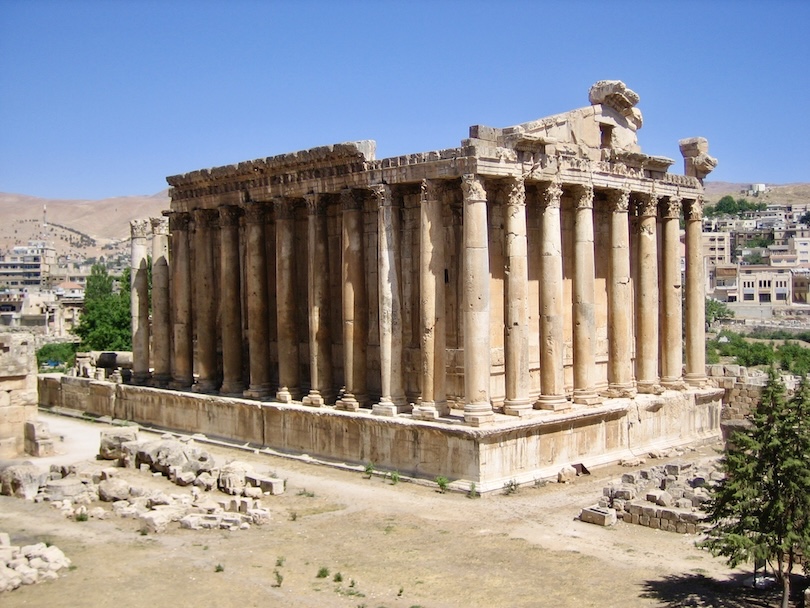
When we arrived to the museum site we entered an incredible vast area of ancient ruins. However, two structures were striking: an incredibly preserved temple and a collection of huge columns.
As we learned we stood in front of the remains of the Temple of Bacchus that was built around 200 AD. (I had to think of Baalbek a lot when exploring the Akropolis in Athens in 2017 – that is even 300 years older!) The state of the temple was breathtaking for us, as from above perspective it still grants you the impression of how it must have looked like upon completion. I had never seen such a massive, ancient structure before in my life!

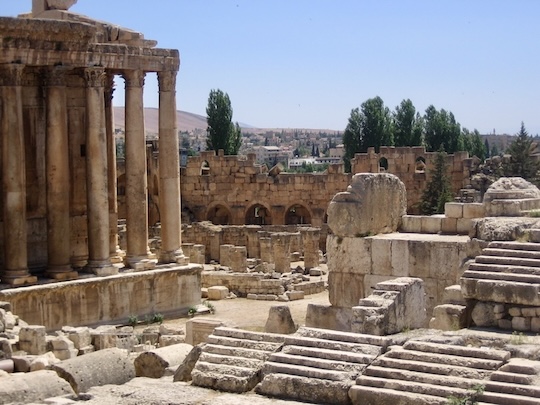
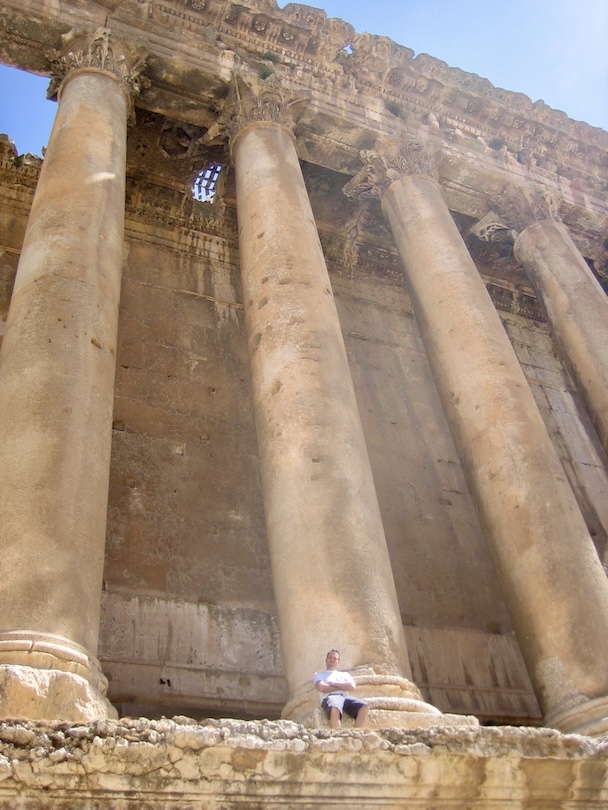
The temple spans 66 meters in length, 35 meters in width and 31 meters in height. The colonnade of 42 columns must have been most impressive. Those columns that are still standing are 20 meters high. Look at below photo where Michael is sitting on the base of a column and you can understand the dimensions.

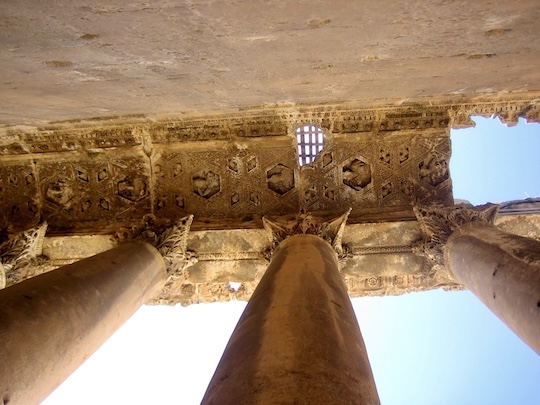

It was incredibly fascinating to discover so many details that survived time. Even the roof decoration is clearly visible after more than 2000 years.

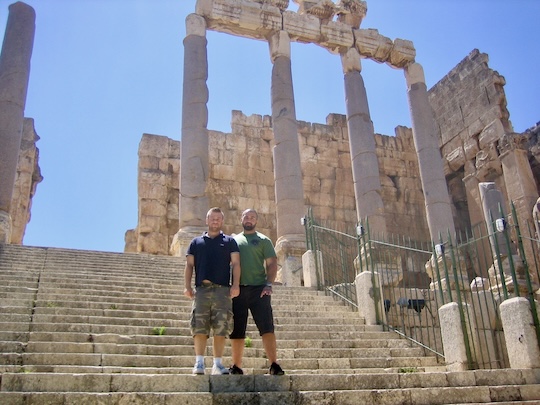
The other massive structure that stood out were six gigantic columns. They are the remains of the colossal Temple of Jupiter considered the largest temple of the Roman world after the Temple of Venus and Roma in Rome.
The excavation of Baalbek was initiated and largely funded by German Emperor Wilhelm II in 1898, reflecting the era’s intense European interest in rediscovering the ancient past. German archaeologists uncovered key architectural elements and helped stabilize the remaining structures, laying the groundwork for future research. Later, French and Lebanese teams continued the work, revealing more of Baalbek’s layers of history.
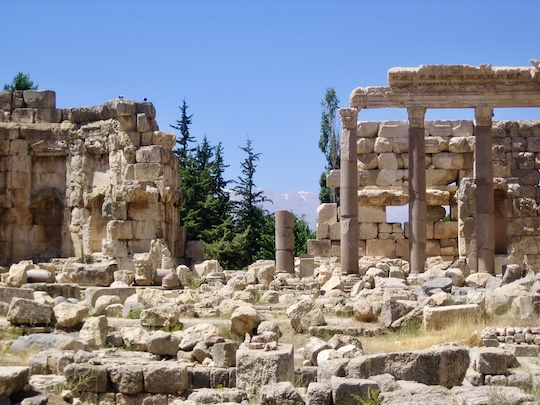
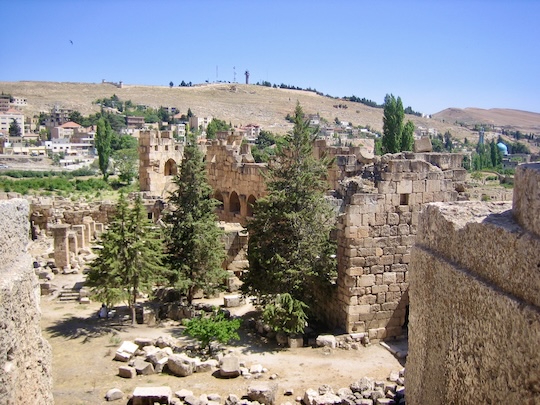
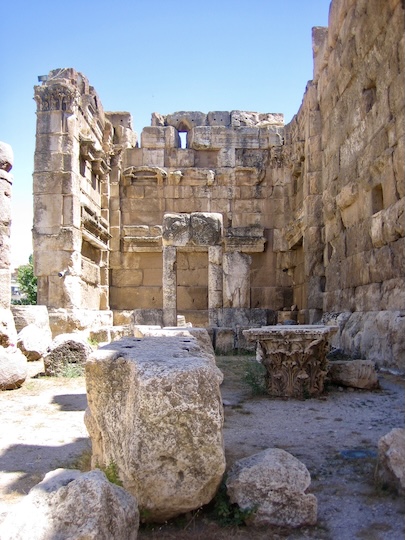
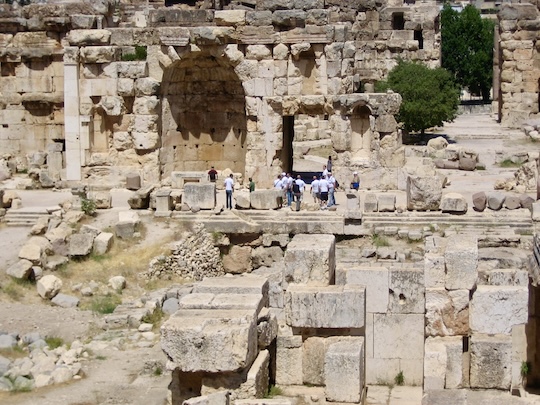
Today it is a true adventure to walk among ancient terraces, monumental staircases and courtyards. The entire site was engineered by Romans to inspire awe. The sheer size of the stones – some weighing hundreds of tons – demonstrates advanced Roman construction techniques. Baalbek was certainly built to rival Rome herself and no wonder it has been declared a UNESCO World Heritage Site.
Baalbek is one of the most impressive places we have seen in the world.

Discover more from Wild Paths Together
Subscribe to get the latest posts sent to your email.

Lovelly, a pleasure to learn about such an amazing history!! Well documented and great photography. Me like very mucho????
Get Outlook for iOS
LikeLiked by 1 person