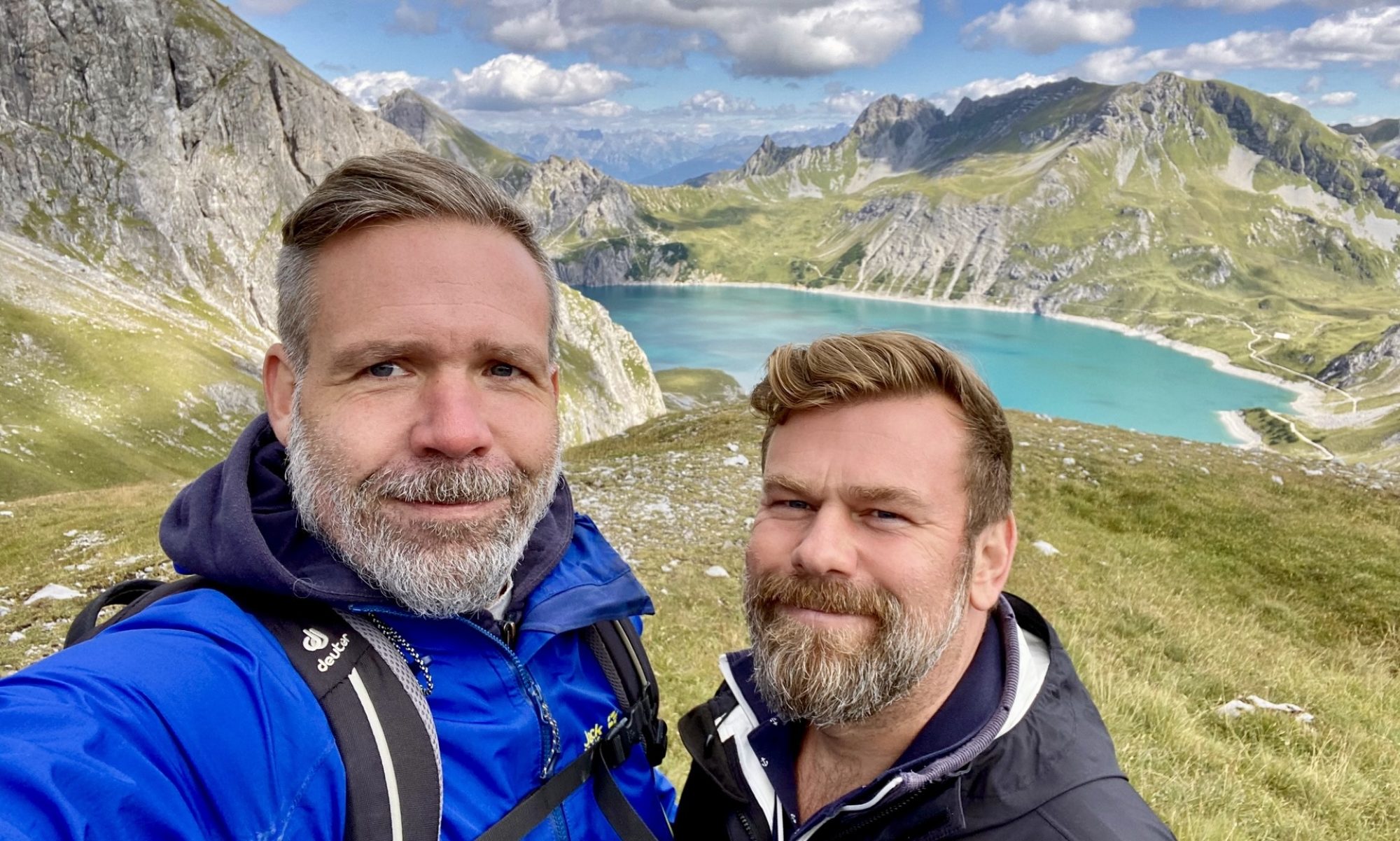
A few weeks before our trip to Colombia we spontaneously decided that it was finally time to visit Mexico. We were inspired by many friends who had visited Mexico in 2025. And also by the fact that we have a couple of other friends who moved there in recent years. Thus, we adjusted our travel plans and squeezed in Mexico City.
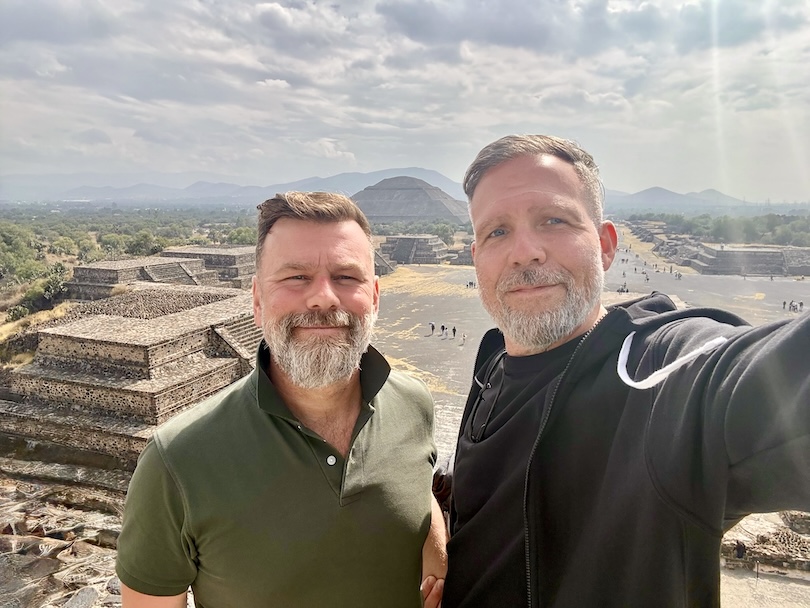
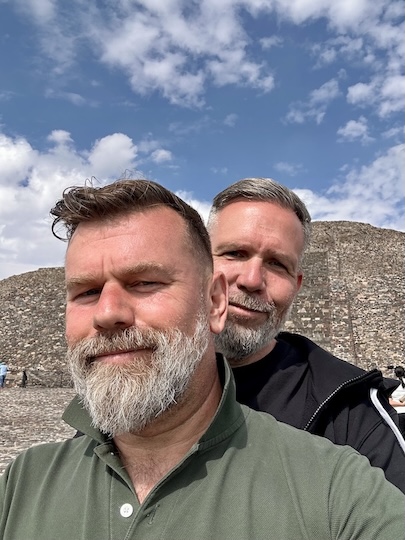
After our four days in Bogotá we hopped over with Aeromexico on a four-hours flight. We were excited to be in Mexico for the first time and planned in 7 days. We focused the trip on Mexico City often refered to as CDMX (Ciudad de México). After one day of adjustment, we went on an excursion on the second day. We visited the ancient pyramids outside the city: Teotihuacán. To climb the steps of the pyramids of this ancient city was another childhood dream come true after having visited Machu Picchu in 2010.
How to get to Teotihuacán
Travelling to Teotihuacán was very easy. We ordered an Uber to pick us up from the hotel and bring us to the parking at the Southern end of Teotihuacán. The travel time was about one hour (40 km to the North) and the costs were very reasonable (under 30 Euro per ride). I had checked if public transportation would have been an option. But then you need about two hours – especially from Roma Norte where we stayed in Ciudad de México. Of course there are also plenty of tour operators that include transportation and a guided tour at this historic site.
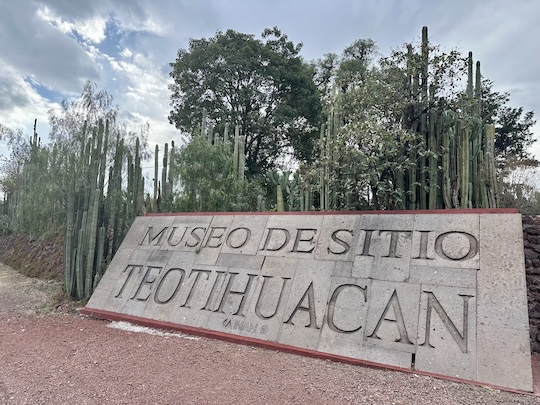
Short history of Teotihuacán
For a long time nobody knew who had built Teotihuacán. The origins of the city were mysterious. Even when the Aztecs ruled the area they had found a deserted city in ruins. They believed it had been built by the gods and that the universe was created there.
Today, historians have a better view on the history of the ancient site. They date the origins back to 300 BC and the peak of Teotihuacán around the year 300-650 AD. The impressive Pyramid of the Sun was even built around 200 AD. It is believed that in this high period more than 125,000 people used to live in the area of 18 square kilometers. There were about 2000 buildings making it one of the largest cities in the ancient world. Apparently, an internal civil war led to the decline and desertion of the place.
Exploring Teotihuacán
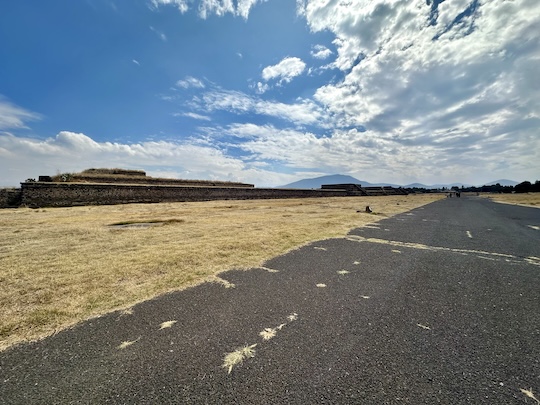
We arrived at the Southern end of the huge area (Parking 1, Entrance 1). From here we wanted to explore the whole ancient city. We were immediately taken by the vastness and the incredible remains.
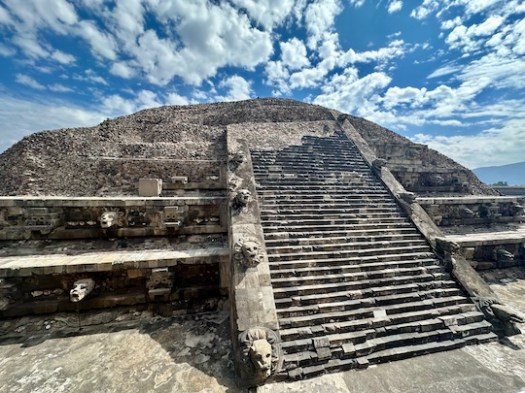
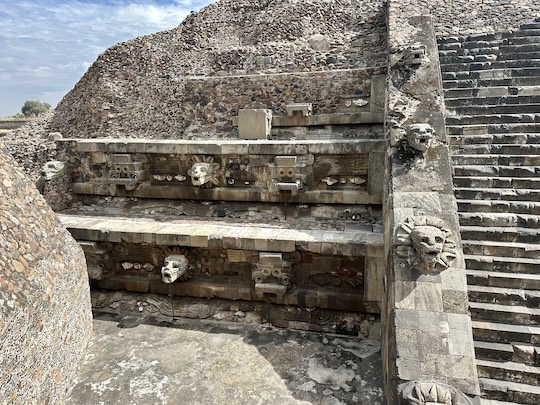
The first major site that we visited was the citadel (ciutadella) with the Temple of the Feathered Serpent. The step pyramid is surrounded by a large courtyard and high walls. The citadel could house about 100,000 people.
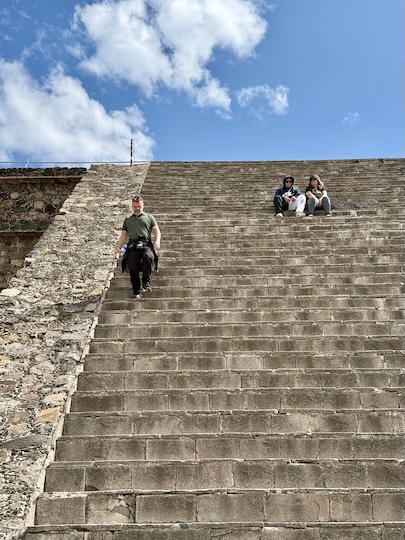
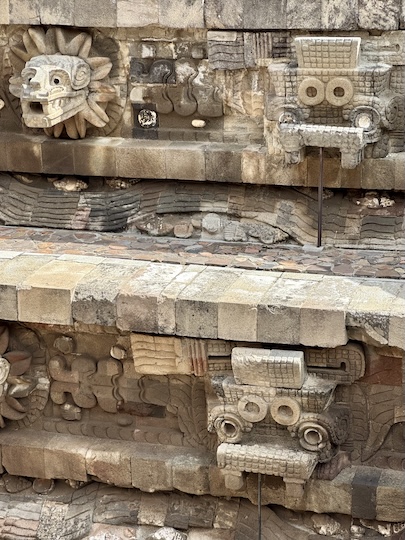
But its main purpose was to be home to the elite such as the heads of the Teotihuacán state. We climbed up the stairs and found some well preserved decoration. The heads of the serpents were very impressive.
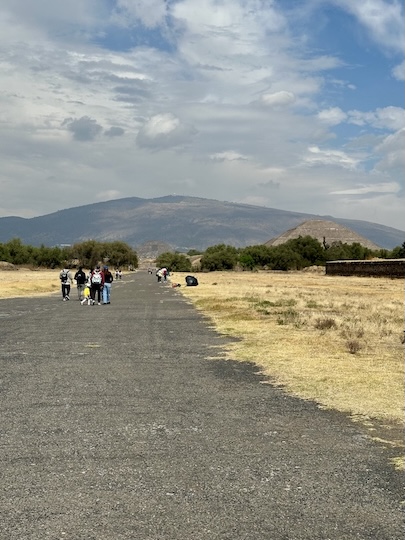
We continued walking along the main axis of Teotihuacán – the Avenue of the Dead. This street is about 40 meters wide and 4 kilometres long.
Along the avenue you will find many platforms, too. The Aztecs believed that they were tombs, thus giving the particular name to the avenue. Historians today have established that these were ceremonial platforms topped with temples.
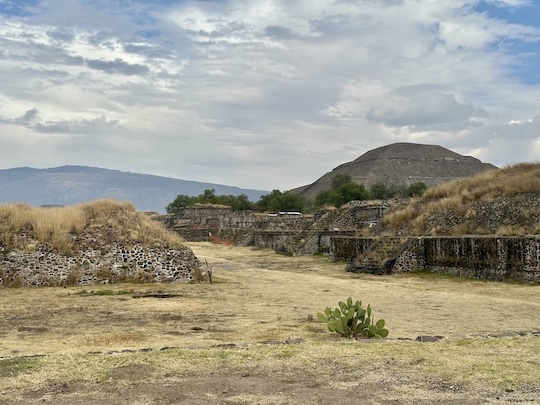
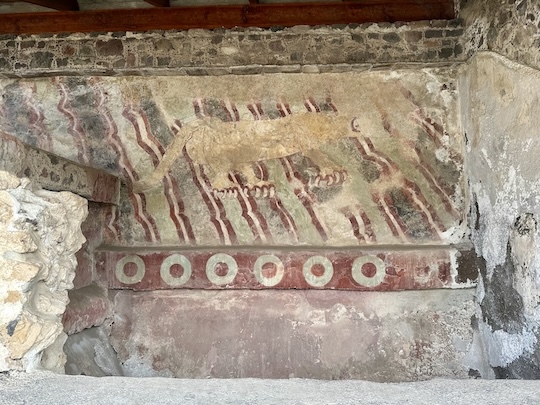
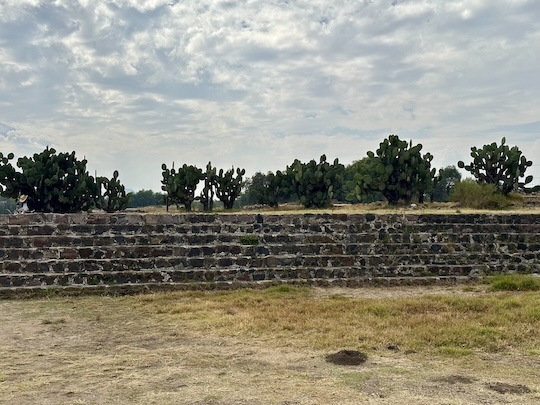
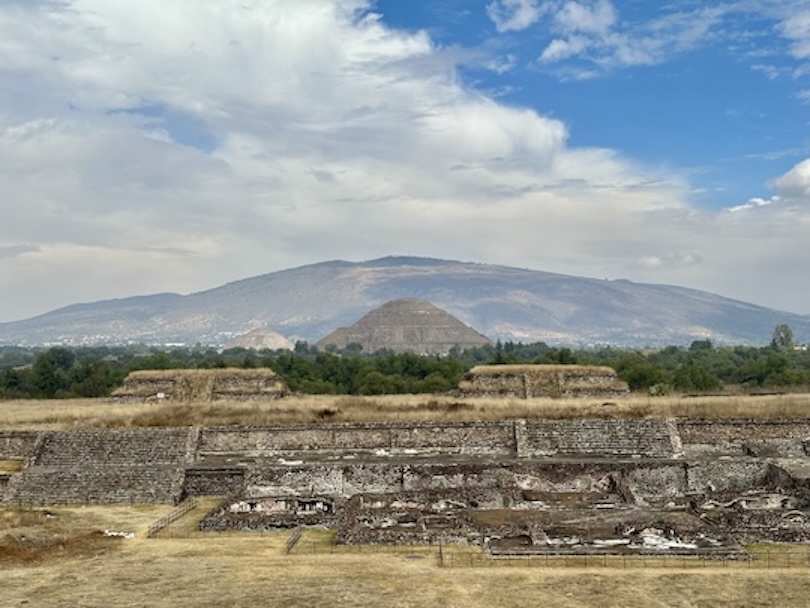
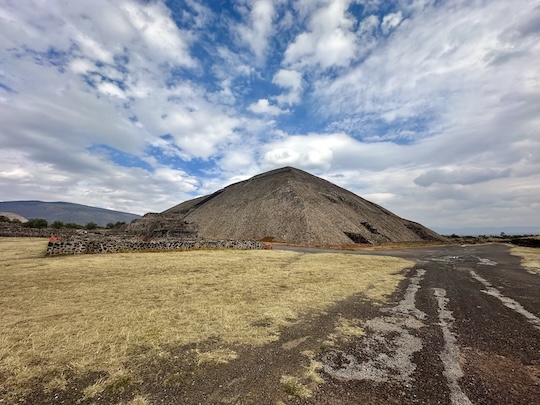
Fascinating to see was the mural of a puma. And then – half way down the avenue – we encountered the next highlight: The Pyramid of the Sun is one the largest pyramids on the planet (measured in volume). It is 75 meters high and each side measures 230 meters. It was built on a carefully selected spot in the shadow of the mountain Cerro Gordo. I will explain below why this is important. Currently, you cannot climb up the pyramid, thus we took some photos and continued to the Northern end of this ancient city.
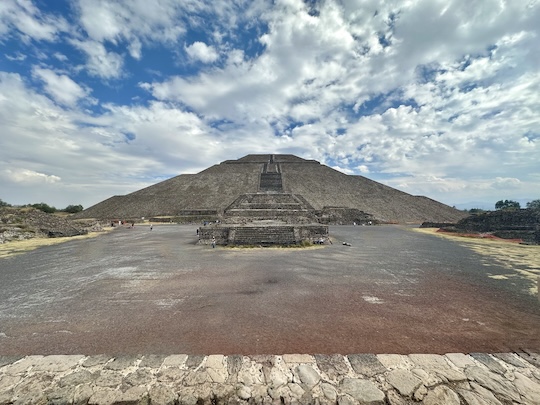
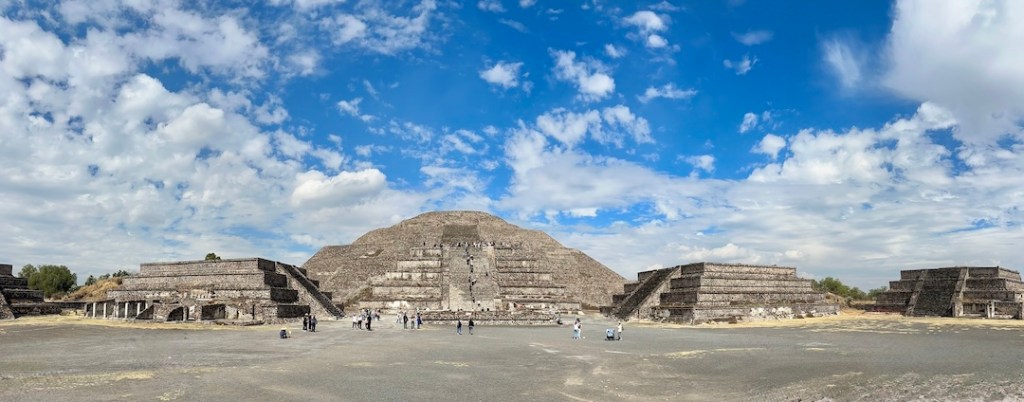
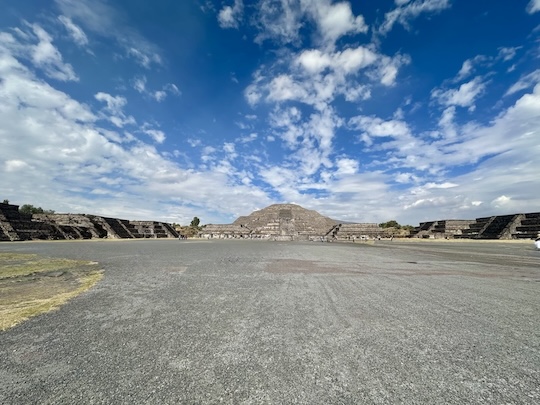
At the Western end you will come to the Plaza of the Moon with the Pyramid of the Moon. The second pyramid is smaller than the Pyramid of the Sun. Each side has about 143 meters and it is 43 meters high. It mimics the shape of the mountain behind it, the Cerro Gordo and was used as a stage for performing ritual sacrifices of animals and humans. There is a platform you can climb up to where the sacrifices took place. The central altar on the square was also used for rituals.
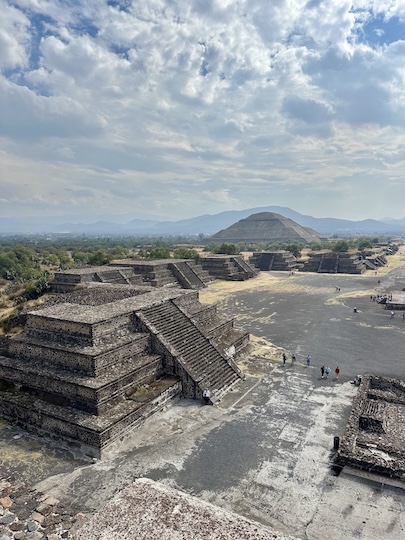
It is definitely worth walking up the massive stairs to enjoy the view and take panoramic photos of the site.
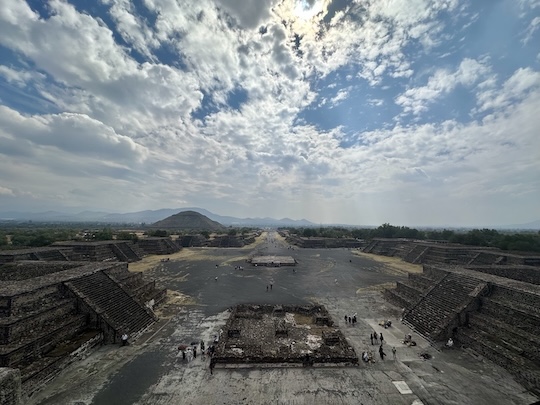
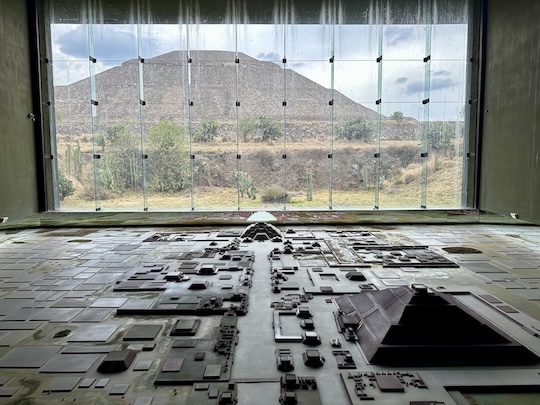
After all the impressions we happily walked to the Museum of Teotihuacán Culture which is located inside the area (close to entrance 5). And afterwards we ordered an Uber to get back to our hotel in Mexico City. The day was truly perfect and another childhood dream came true!
Astronomical alignment of Teotihuacán
When exploring Teotihuacán we were impressed by the massive pyramids and their ancient history. Nevetherless, when we learned about why it was built in this specific lay-out all got truly amazing.
Think of Teotihuacán as a giant stone clock that was built into the ground. The people who constructed it aligned the entire city with the stars and the sun to stay in sync with the universe.
They included the “magic” dates – April 30 and August 13 – because on these two specific days the Pyramid of the Sun faces the exact spot where the sun sets. There are exactly 260 days between them. 260 was the number of days in their sacred calendar. By lining up the pyramid with the sun on these days, they were basically starting their religious year.
Furthermore, the builders wanted their pyramids to look like the mountains around them. For example, the Pyramid of the Moon was shaped to perfectly frame the mountain behind it called Cerro Gordo. On the the longest day of the year, the sun rises directly over a nearby volcano. This way it is acting like a natural alarm clock for the city.
Another incredible feature of Teotihuacán is the fact that the Avenue of the Dead does not point perfectly North. It is leaning about 15 degrees to the right. You can see this when looking at the map. It is believed that the avenue pointed towards the Pleiades, a cluster of stars that was very important to ancient Mexican cultures. When those stars appeared in the sky, it signaled the start of the planting season.
Scientists also think that the Pyramid of the Moon was used to track the lunar cycle (nearly 19 years) over long periods of time. This helped the priests predict eclipses and other major sky events.
We felt in awe when learning all this. Teotihuacán was not only a place where to live but it was a map of the sky. By building their streets and pyramids to match the stars, the people of Teotihuacán felt they were living in harmony with the gods.
Do not miss Teotihuacán when coming to Mexico City!
Travel tips for a visit of Teotihuacán
Here is a short list of tips for a great trip to the ancient site of Teotihuacán:
- Bring sufficient cash. The entrance fee cannot be paid by card and also many shops and restaurant only accept cash.
- Put sunscreen on. It can be very hot and sunny and you will spend a couple of hours without shade.
- Buy water at the entrance. On a hot day you will need plenty of it.
- The earlier in the morning you arrive, the less busy it will be. This way you will have the perfect photo opportunities.
- Plan in at least 3 hours to spend on site which makes it basically a day trip considering the travel time from and to Mexico City.
- Most important enjoy this ancient wonder!
Discover more from Wild Paths Together
Subscribe to get the latest posts sent to your email.
