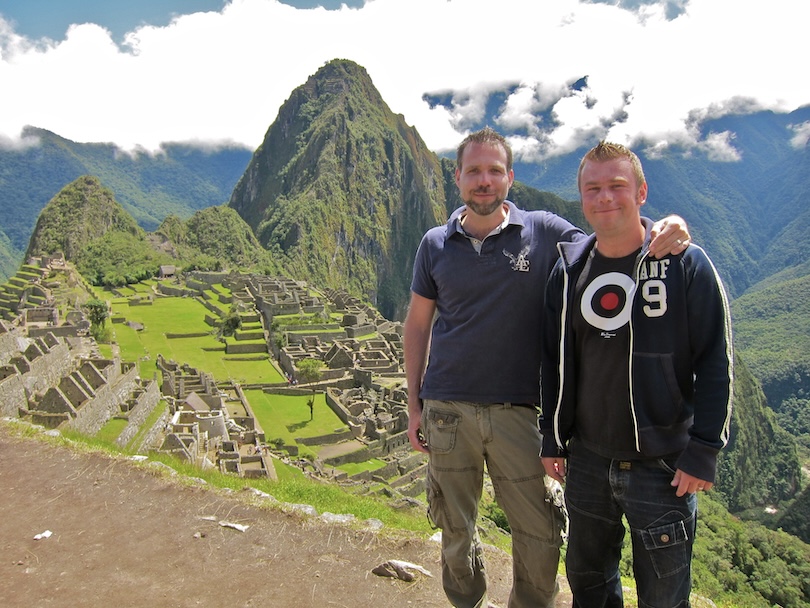
Our around-the-world trip in 2010 also brought us to Peru. This South American country left an incredible impression on us: a beautiful landscape, wonderful people, great food and a fascinating history. Next to visiting Lima, the capital, Cuzco (high in the mountains) and hiking on one of the famous Inca trails we also visited Machu Picchu. This was a childhood dream of mine (Christian) that finally came true.
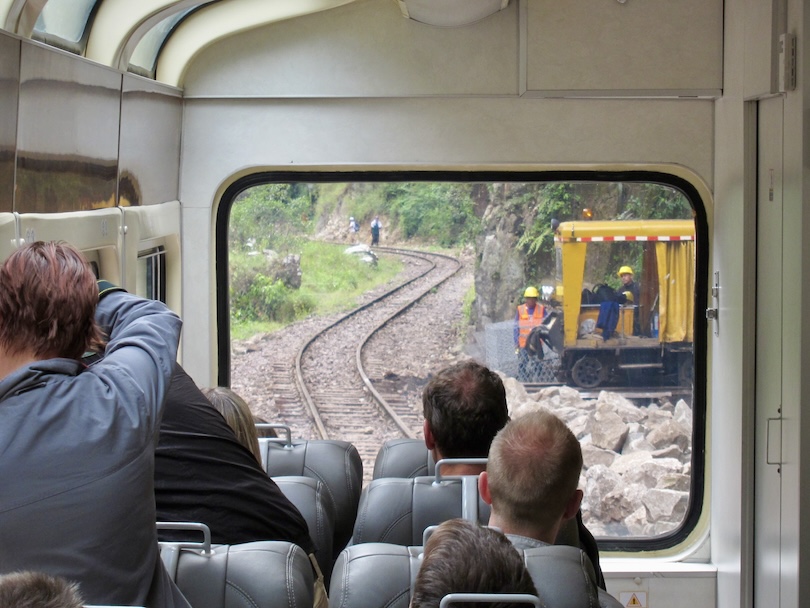
Our Peru schedule got mixed up due to the fact that end of March heavy torrential rains in the area of Machu Picchu flooded and washed away parts of the train tracks that lead to the village at the foot of the mountain. In the end we were lucky that starting April 1, 2010 visits to Machu Picchu restarted again. Thus on April 10 we could travel first by bus and then by train – as the last kilometres were still functioning.
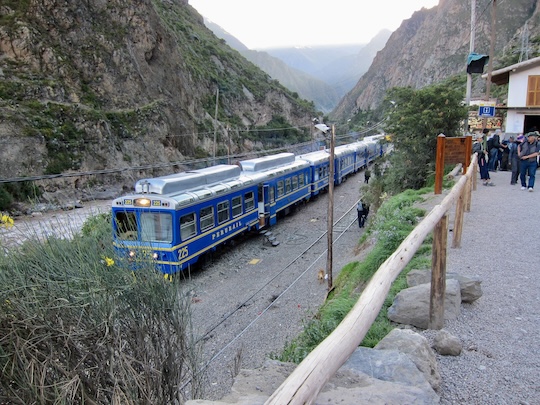
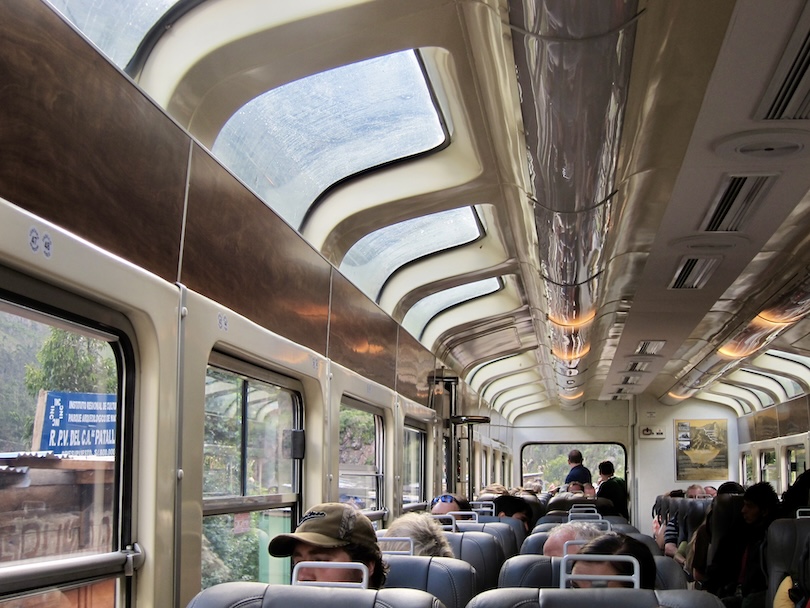
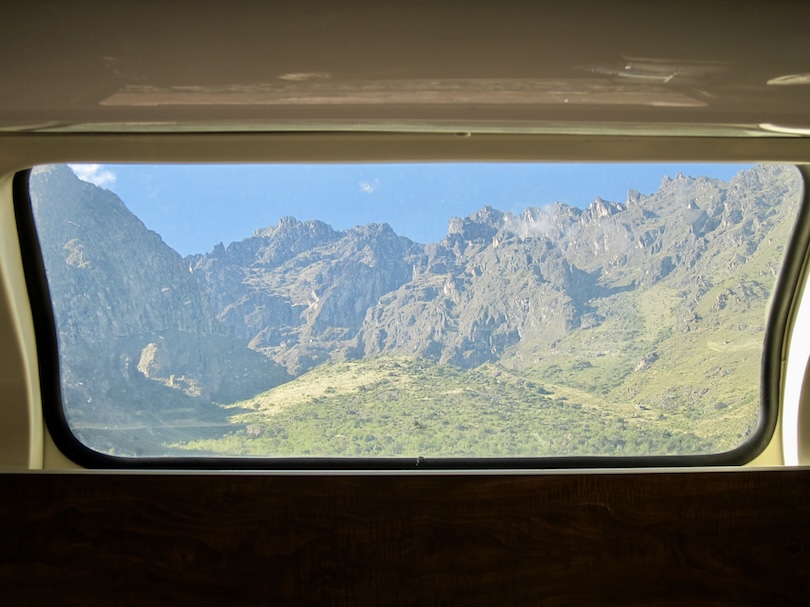
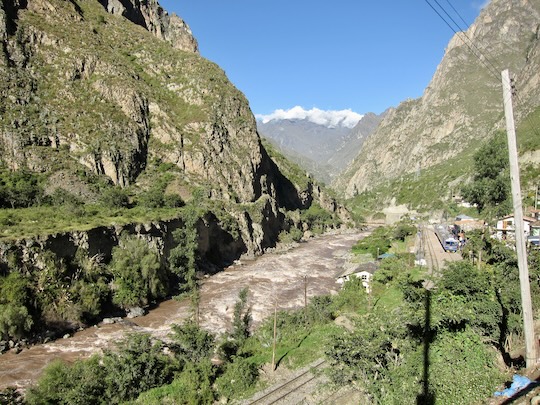
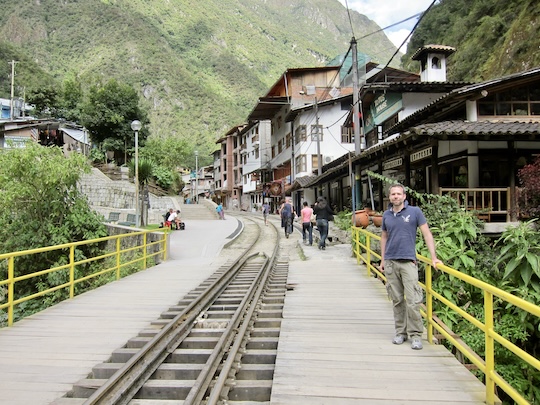
The journey was generally pleasant. We loved the panoramic windows in the train so that you could see much more of the surrounding countryside and the mountains. The train followed the Urumbaba river up to the village of Aguas Calientes (hot waters – due to thermal baths). From here a caravan of mini busses brought the tourists up to Machu Picchu.
As we arrived in the morning we were very lucky that Machu Picchu was not overcrowded yet. We were able to take some great photos without too many people blocking the view. They do have a controlled access to the historic site. When comparing numbers it seems that in 2010 about 1.5 million people visited Macchu Picchu whilst in 2025 it was 2.3 million.
Short history of Machu Picchu
Machu Picchu is a 15th-century Inca citadel set high in the Eastern Cordillera of southern Peru, perched on a mountain ridge about 2430 meters (7970 feet) above sea level. Commonly called the “Lost City of the Incas” it was constructed around 1450. It is widely thought to have been a royal estate of the Inca emperor Pachacuti.
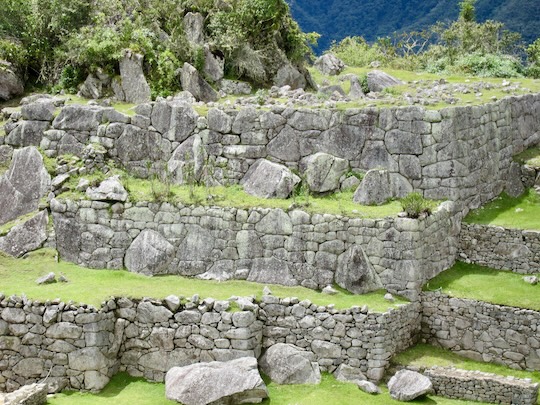
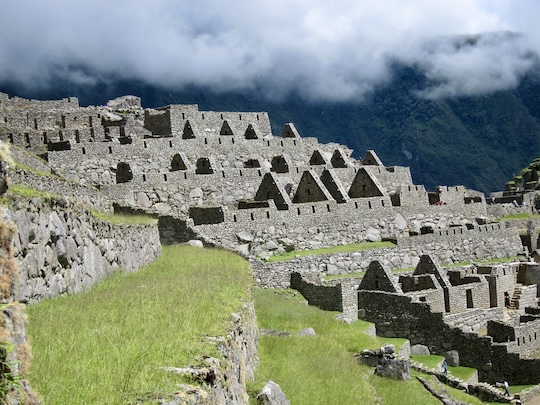
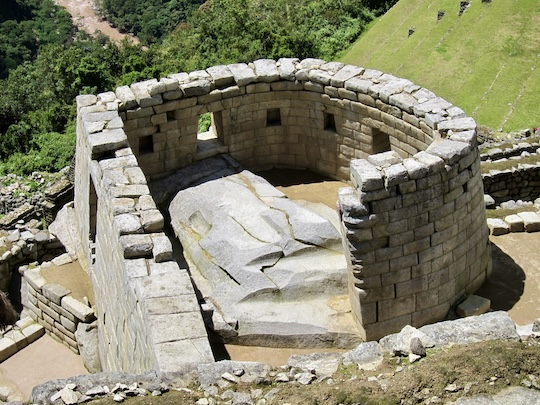
The city was built in the classic Inca architectural style, with precisely fitted dry-stone masonry. Key buildings include the Temple of the Sun, the Temple of the Three Windows, and the Intihuatana stone. When it functioned as an estate, roughly 750 residents may have lived there. In addition to belonging to Pachacuti, the estate hosted religious experts and temporary skilled workers who likely served the ruler’s needs and comfort.
Machu Picchu was probably abandoned in the mid-1500s during the fall of the Inca state and the spread of diseases such as smallpox after European arrival. Over time, dense vegetation covered the ruins, and knowledge of the site remained mostly local. In 1902, the Peruvian explorer Agustín Lizárraga organized an expedition to the area now called Machu Picchu, and after hours spent clearing brush, the team came upon the stone remains of the citadel.
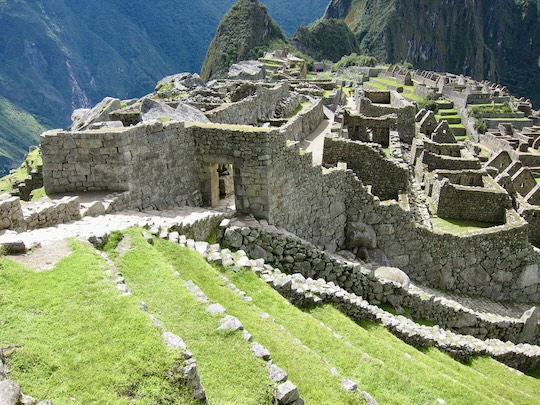
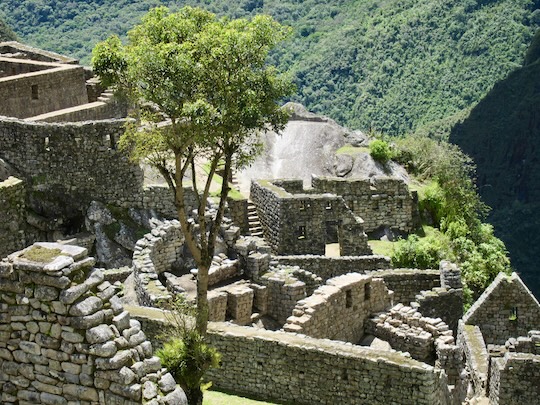
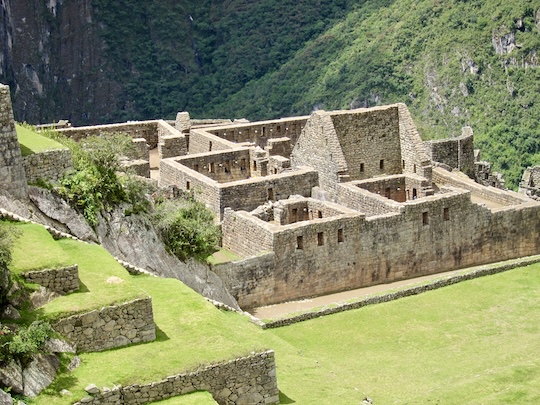
Today, Machu Picchu stands as one of the most recognizable emblems of Inca civilization and an important archaeological site in the Americas.
Exploring Machu Picchu
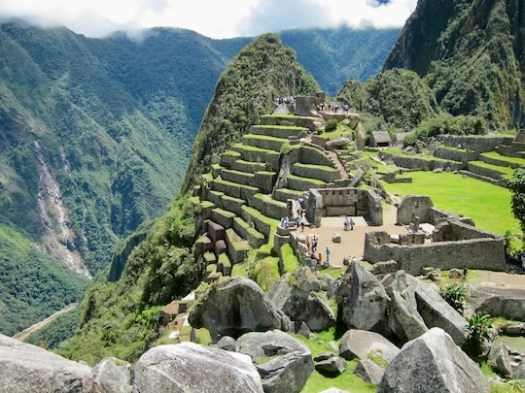
When we arrived to the mountain top where Machu Picchu was built we were immediately taken by the beautiful scenery. We were surrounded by even high mountains. From the holy valley clouds came up and there was a constant play of light and shadow.
The main archaeological site is approximately 530 meters long and 200 meters wide. It consists of over 200 structures, including temples, agricultural terraces, and residential areas, divided into upper (urban) and lower (agricultural) sectors.
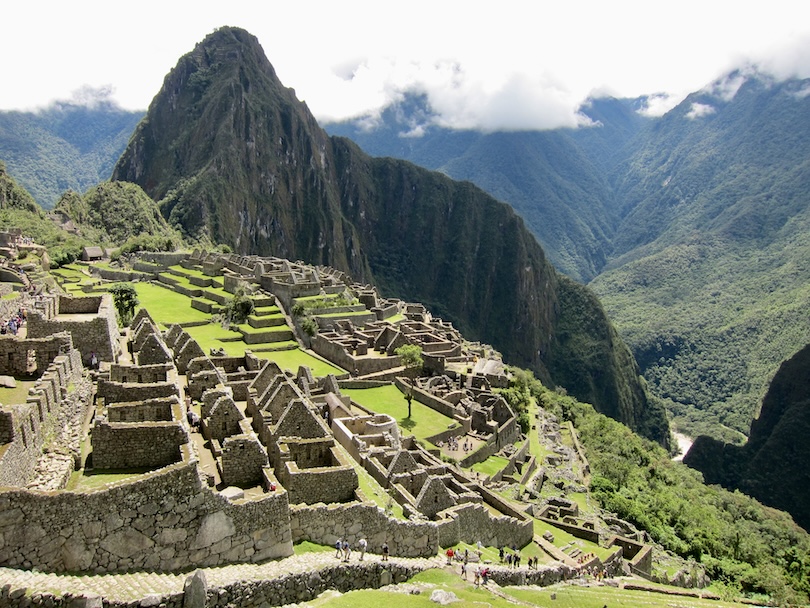
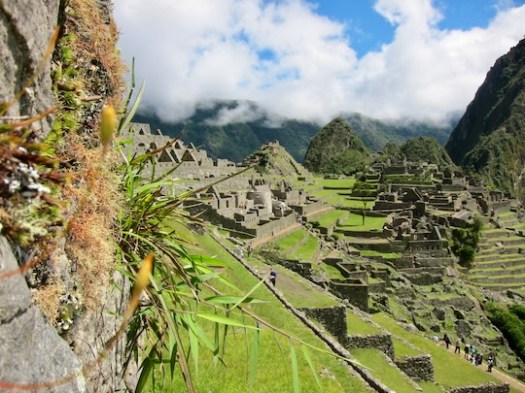
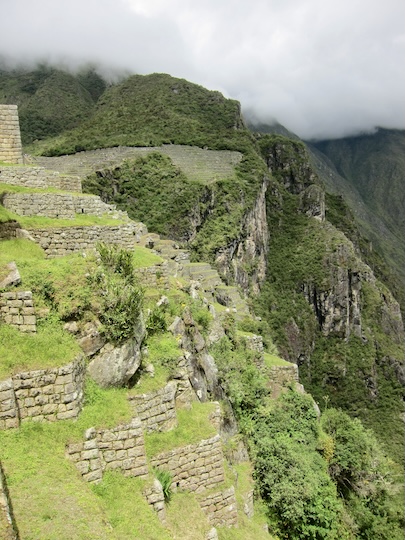
We climbed most of the stairs connecting the different areas of the city. Some stairs led into nowhere as you can see on the photo below. Anywhere we walked we were in awe admiring the landscape from all different angles.
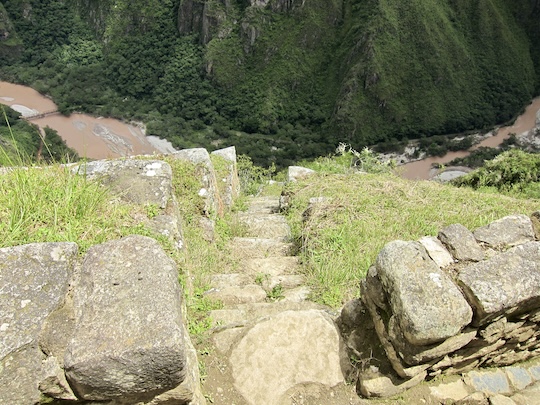
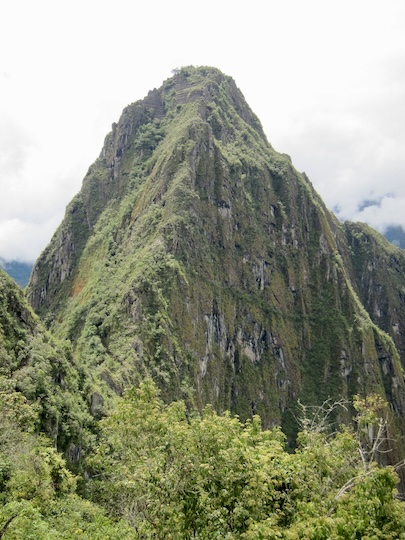
It certainly seemed attractive but we did not dare climbing up Huayna Picchu – the Young Peak. We had heard stories about this sugar loaf like mountain that it was extremely steep and slippery. A few chains may help you climb but we saw people completely dirty as they had slipped or only could get down by sitting on their buttocks.
You need to book your access to the “Stairs of Death” in advance. Back then, we would have gotten a slot to climb up those stairs. However, as Christian can have a light vertigo in height, we refrained from seeking an extra adventure.
Happily and feeling accomplished – Christian´s childhood dream had come true – we returned to the shuttle bus that brought us back to the train in Aguas Calientes. It was a journey we still talk a lot about even after 16 years. It was truly unforgettable!
Travel tips for a visit of Machu Picchu
When visiting Machu Picchu you should consider the following aspects.
- You need to book early in advance as there is a daily access limit.
- In case you would like to climb the “Stairs of Death” you need to book a slot even more in advance.
- Bring sturdy shoes. You will walk on uneven ground and irregular stairs.
- Bring sunscreen. You will be high up in the mountain thus the sun is very strong.
- Also bring a raincoat. The weather in Machu Picchu can change quickly from sun to rain.
- Bring water only in a re-usable container. Simple plastic bottles are not allowed.
- Make use of the restrooms at the entrance. Inside Machu Picchu there are no facilities. And You cannot re-enter once you are inside!
- Nowadays there is a one-way system how to walk. So make sure you have seen all before you continue your path through the ruins. You cannot go back. Security guards enforce your way.
- Sandflies are a plague. Thus wear long trousers. Their bites are horrible!
- Most important: Enjoy this once-in-a-lifetime experience and those amazing views you will never forget!
Discover more from Wild Paths Together
Subscribe to get the latest posts sent to your email.

One Reply to “”